Shivas
Shivas Home    Shivas Profile     Shivas Contact Us     Shivas Enquiry
ShivasShivasShivasShivas
Shivas
Shivas
ShivasShivas
Shivas
Home » Our Products » Acid Regeneration
Acid Regeneration
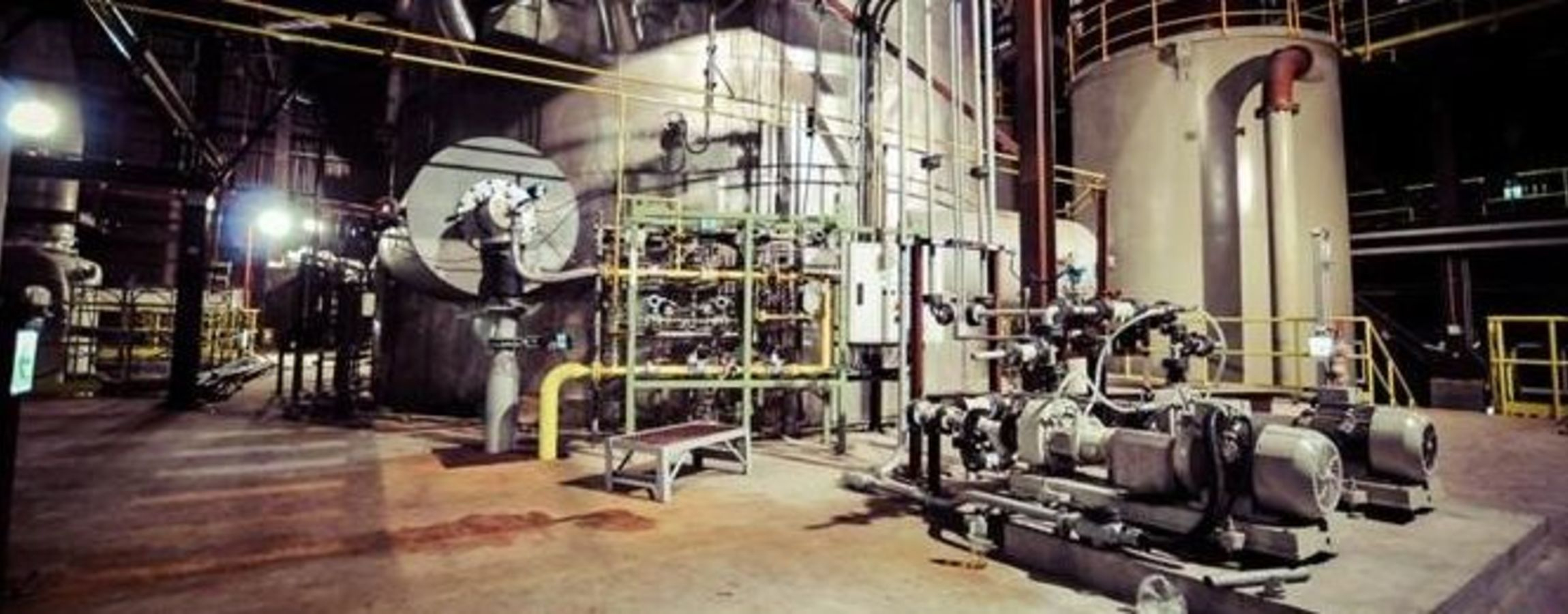
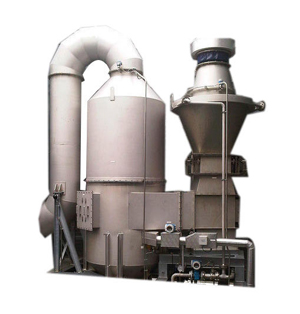
Shivas provides Acid Regeneration Plants for Hydrochloric Acid using the spray roaster or fluidized bed system. The spray roast regeneration technology provides a comprehensive solution for the regeneration of waste pickle liquor and rinse water in the modern steel industry.
The Shivas spray roast regeneration technology
When coming from the pickling line, the waste pickle liquor is first collected in storage tanks. This storage capacity allows an operation of the regeneration plant independently from the pickle line. From the storage tanks the acid is then pumped through the waste acid filters where solid particles and undissolved residues from the pickling process are filtered out of the Lliquor. Afterwards, the filtered acid is sprayed into the lower stage of the exhaust cleaning column where it circulates and is used as a chlorine absorbing agent. After leaving this column the acid enters the separator of the preconcentrator system. From this separator the pickle liquor is sprayed into the preconcentrator where it is concentrated while the exhaust gas passing the preconcentrator is cooled down. The reason why the waste pickle liquor is concentrated in this way is to reduce the later consumption of energy in the spray roast reactor. This principle ensures the high efficiency of the Shivas acid regeneration plants.
Shivas

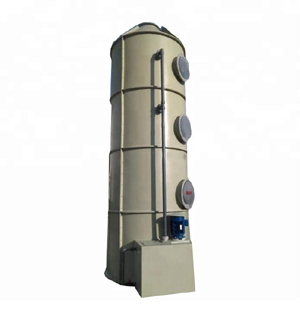
The reactor is the heart of the spray roast acid regeneration plant. It is where the waste pickle liquor is evaporated completely and the iron chloride is split up into iron (Fe) and chlorine (Cl). In order to withstand the high temperatures needed for this process the reactor is lined with fire resistant bricks on the inside. An insulation on the outside prevents uncontrolled loss of heat. Burners provide the required energy, sensors control and monitor the complete process. The produced iron oxide powder is transported out of the reactor through a rotary valve mounted on the lower end of the reactor. Above it an oxide lump breaker is installed to break any possible lumps. The gases produced in the reactor, containing water vapour and hydrogen chloride, leave the reactor via the roast gas line. Before they can be washed in the following sequence of columns the gas is cleaned from the oxide dust in a cyclone installed between reactor and preconcentrator system. The so called cleaned roast gas then passes the preconcentrator where the temperature is reduced and remaining traces of the oxide dust are washed out.

For the absorption of the hydrogen chloride gas and its transformation into hydrochloric acid a sequence of two absorber columns is used. They are both fed with rinse water, absorbing the hydro chloride gas out of the gas stream. The use of rinse water also means that no neutralisation of it is required and that the acid solved in the rinse water is also led back into the process and is then used again. While the liquid leaving the absorber columns is regenerated acid that can again be used in the pickling process, the gases leaving theab sorber columns still are contaminated with traces of HCl and therefore need to be cleaned. To guarantee highest environmental standards, the Shivas spray roast regeneration system uses a two stage exhaust cleaning system. It is fed with uncontaminated water in the upper section and waste pickle liquor in the lower section.

The Shivas spray roast regeneration plants are equipped with the latest sensor and control systems, ensuring a safe, reliable, efficient and comfortable operation of the plant.
Fluidized Bed Type
The fluidized bed type for the regeneration of waste acid is marked by high efficiency (recovery rate) and the dust-free oxide product. Similar to the spray roaster type, using pyrohydrolysis the waste acid and the contained metallic salts are transformed to acid and metallic oxide. By this process both products are recovered. The regenerated acid is returned to the pickling plant and the metallic oxide is stored in open bins for loading to truck.

With the fluidized bed process the oxide accrues as dust-free pourable granulate, which is easy to transport and to handle.

Shivas have a long experience time in processing with these plants. All plants that are built today by Shivas are designed to meet strict emission requirements. Last but not least the excellent dust-free handling of the oxide product prompts many operators to select the fluidized bed type of regeneration.
Spray Roaster Type
The spray roaster type for the regeneration of waste acid is marked by high efficiency (recovery rate) and the fine grained oxide product with large acid surface area. Similar to the fluidized bed type, by the so called pyrohydrolysis process the waste acid and the contained metal salts are transformed to acid and metal oxide. By this process both products are recovered and can be processed further or be returned to the steel melting process.

At this process the oxide accrues as fine grained, dusty powder, which is sacked into so called big bags, transported and brought to the market. Shivas have a long history of experiences in processing with these plants. All plants that are built today by Shivas are designed to meet strict emission requirements. The usability of the oxides in different market segments is guaranteed by a consistent high product quality. At present there is a great demand for powdered metal oxide of this quality, so a good commercialization of the plant output is possible.
ShivasShivas